



Countertop Care & Maintenance
Keeping Your Surfaces Beautiful
Your countertops are a focal point in your kitchen and bathrooms, enduring daily use and contributing significantly to the overall aesthetic of your space. Proper countertop care and maintenance is essential to preserve their beauty and longevity.
Protect your investment and ensure your countertops are long-lasting with our countertop maintenance and care guide below.
Daily Countertop Care: Simple Habits Lead to Long-Lasting Beauty
These daily habits apply to all countertop materials:
- Wipe Spills Immediately: Spills, especially acidic substances like lemon juice or wine, can stain or etch some countertop materials. Use a soft cloth or sponge to wipe up spills promptly.
- Use a Mild Cleaner: For daily cleaning, a mild dish soap and warm water solution is usually sufficient. Avoid harsh chemicals or abrasive cleaners, as they can damage the surface.
- Dry Thoroughly: After cleaning, dry your countertops with a clean, soft cloth to prevent water spots and mineral buildup.
- Use Cutting Boards: Always use cutting boards to protect your countertops from scratches and cuts. Avoid cutting directly on the surface, especially with sharp knives.
- Hot Pads and Trivets: Use hot pads or trivets to protect your countertops from hot pots and pans. Even heat-resistant materials can be damaged by prolonged exposure to high temperatures.
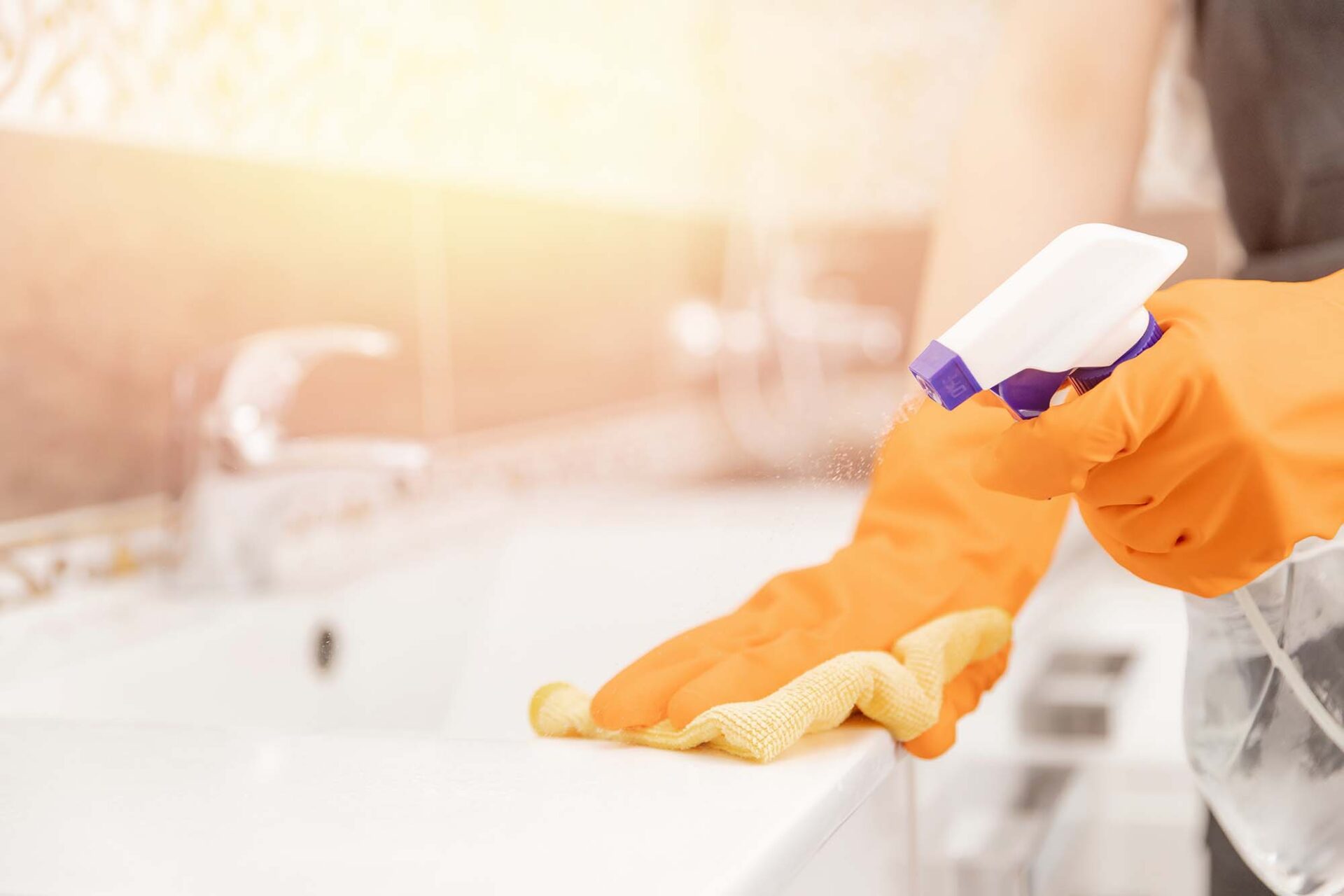

Quartz Countertop Care
Quartz is relatively low-maintenance. Follow these dos and don’ts to keep it looking its best:
- Do clean daily with mild soap and water: Use a soft cloth or sponge with warm water and a gentle dish soap, wiping in circular motions. This is sufficient for everyday spills and messes.
- Do use a non-abrasive cleaner: Specifically formulated, pH-neutral quartz cleaners are available and safe for regular use.
- Do blot spills immediately: Even though quartz is stain-resistant, prompt cleanup prevents potential staining, especially from highly pigmented liquids like red wine or juice.
- Do use a soft cloth: Microfiber cloths are gentle and effective at removing dirt and grime. For extra shine, a non-ammonia based glass cleaner can be used.
- Don’t use abrasive cleaners or scrubbers: Avoid steel wool, scouring pads, and harsh scrubbing powders, as they can scratch or dull the surface of your quartz countertop.
- Don’t use strong chemicals: Avoid bleach, ammonia, oven cleaners, or other harsh chemicals, as they can damage the resin that binds the quartz crystals.
- Don’t expose it to extreme heat: While quartz is heat-resistant, it’s not heatproof. Always use hot pads or trivets.
- Don’t use highly acidic or alkaline cleaners: Products that contain high levels of acids or alkalis can damage the surface of the quartz.
- Don’t use permanent markers: Permanent markers can stain quartz. If this happens, use a quartz-safe cleaner as soon as possible.
Granite Countertop Care
Granite requires periodic sealing to prevent staining.
- Do clean daily with mild soap and water: Use a soft cloth or sponge with warm water and a gentle dish soap, then dry the surface thoroughly with a clean, dry cloth to prevent water spots.
- Do seal regularly: Granite is porous and requires periodic sealing to prevent stains and etching. Perform a water test: if water absorbs quickly into the stone, it’s time to reseal with a high-quality granite sealer designed for countertops.
- Do use cutting boards and hot pads: Sharp objects can scratch the surface, and hot pots and pans can cause thermal shock. Always use cutting boards and trivets.
- Do wipe up spills promptly: Acidic spills like lemon juice, vinegar, and wine can etch or stain granite. Blot the spill with a soft cloth rather than rubbing it.
- Do dust regularly: Dust with a soft cloth to keep the surface free of abrasive particles.
- Don’t use harsh chemicals: Avoid bleach, ammonia, abrasive cleaners, and scrub pads, as they can damage the sealant, etch the stone, and scratch the surface.
- Don’t use generic cleaners: General purpose cleaners that aren’t designed for natural stone may contain chemicals that damage it.
- Don’t leave spills sitting: Spills left on the surface, especially acidic ones, can cause staining or etching that may be difficult or impossible to remove.
- Don’t cut directly on the countertop or place hot items on it: Granite can still be scratched with enough force, and extreme temperature changes can cause cracking.
- Don’t use DIY sealants not designed for stone: The wrong sealant can cause discoloration or prevent the stone from breathing correctly.
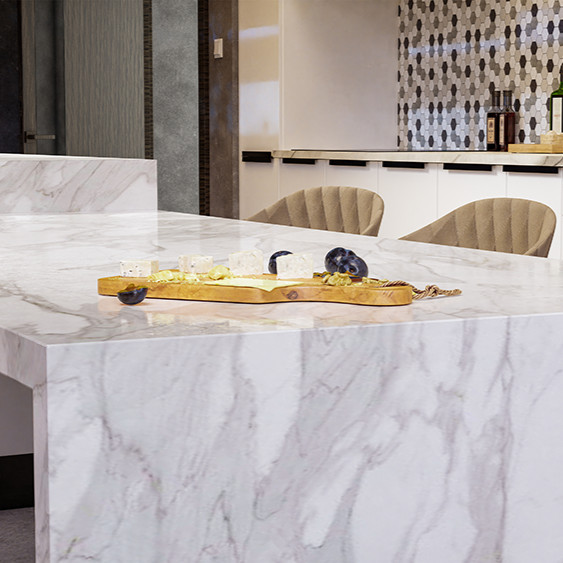
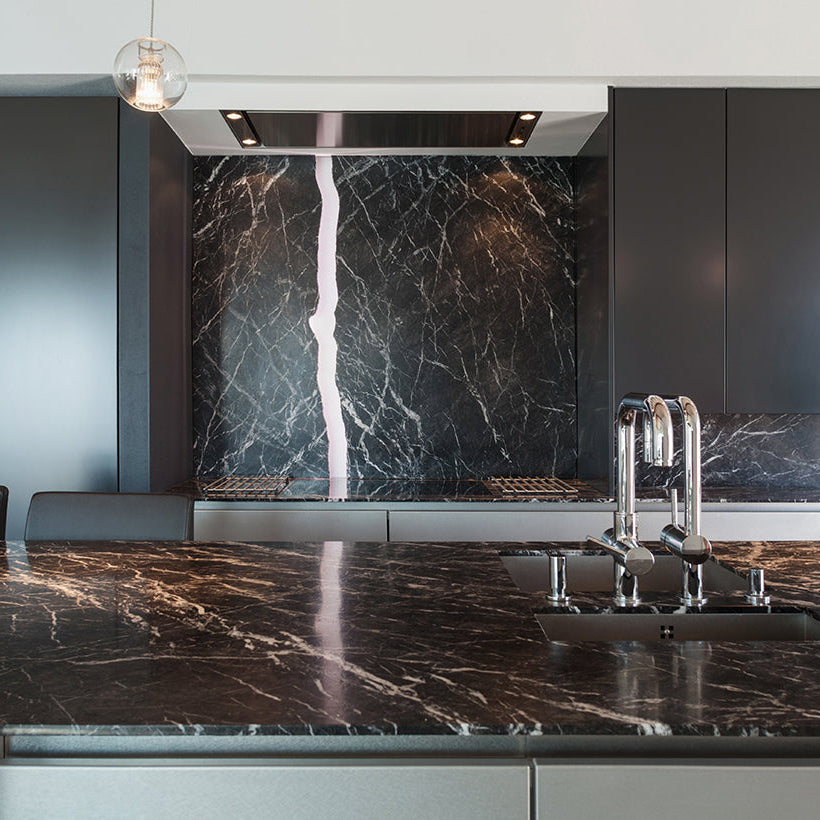
Marble Countertop Care
Marble countertops are a luxurious addition to any kitchen or bathroom, but their natural beauty requires diligent care to prevent damage.
- Do clean daily with a pH-neutral soap: Use a soft cloth or sponge dampened with warm water and a pH-neutral dish soap to remove everyday dust, spills, and grime without damaging the marble.
- Do blot spills immediately: Marble is porous and susceptible to staining, so promptly blot spills with a clean, dry cloth before liquids soak in and cause permanent discoloration.
- Do use coasters and placemats: They create a barrier against scratches and acidic spills.
- Do dust regularly: A soft, dry cloth or microfiber duster removes debris that could scratch the marble.
- Do seal periodically: Apply a high-quality natural stone sealer according to the manufacturer’s instructions to protect against stains and moisture.
- Don’t use acidic cleaners: Cleaners containing vinegar, lemon juice, or other acids, including many common household cleaners, can etch and dull the surface.
- Don’t use abrasive cleaners or scrubbers: Abrasive and powder-based cleaners, scouring pads, and steel wool can scratch and damage marble.
- Don’t leave spills sitting: Acidic liquids and staining substances like wine or coffee can cause permanent stains and etching.
- Don’t place hot pots or pans directly on marble: Extreme heat can cause thermal shock and cracking. Always use hot pads or trivets.
- Don’t use bleach or harsh chemicals: Bleach, ammonia, and other harsh chemicals can break down the stone, damage its finish, and cause discoloration.
Quick Tips on How to Prevent Stains & Damage to Your Countertops
- Seal Natural Stone: Natural stone countertops like granite and marble require periodic sealing to prevent staining and etching.
- Avoid Harsh Chemicals: Avoid using harsh chemicals, bleach, or abrasive cleaners on any countertop surface.
- Protect from Scratches: Use cutting boards and avoid dragging heavy objects across the countertop.
- Avoid Extreme Temperatures: Use hot pads and trivets to protect countertops from extreme heat.
- Regular Cleaning: Consistent cleaning prevents the buildup of dirt and grime, which can lead to staining and damage.
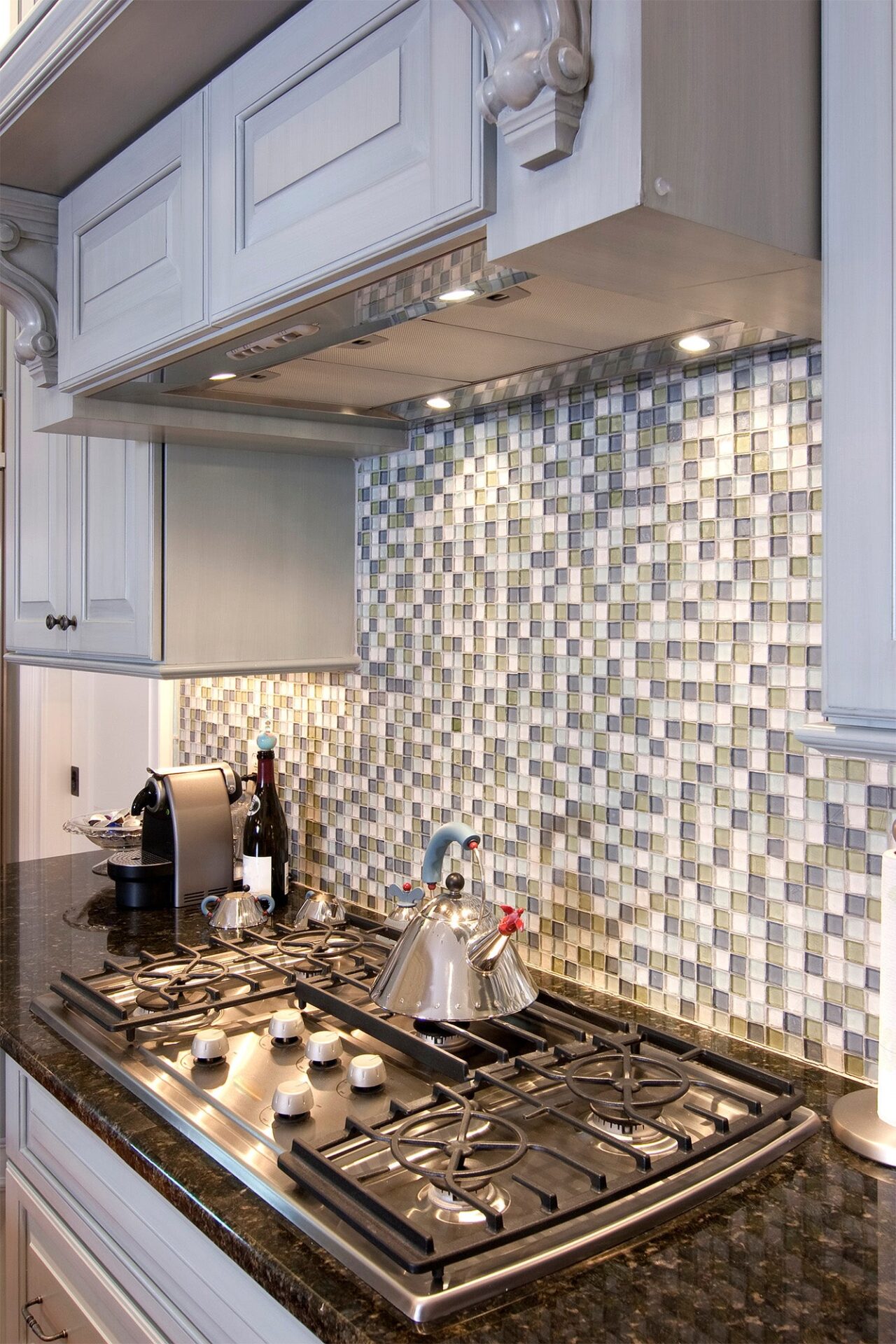
Explore New Countertops in the Tri-Cities with Murley’s Floor Covering
For all your flooring and countertop needs, call or visit Murley’s Floor Covering. We’ve been serving the Tri-Cities area with beautiful floors and top-notch services since 2005.