


- Flooring
Understanding Porous Flooring: Characteristics and Considerations
April 18, 2025
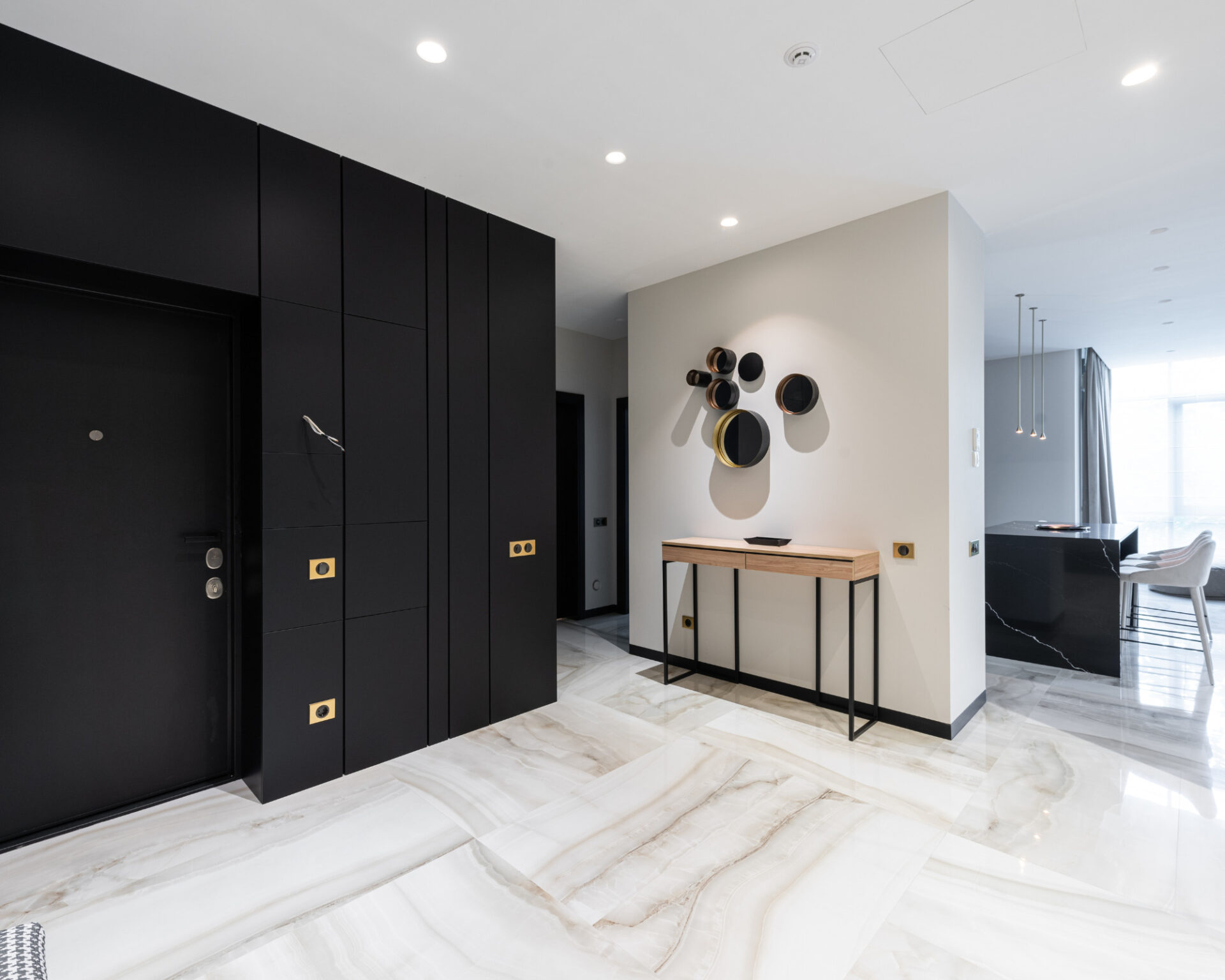
When selecting flooring for your home, it’s essential to consider the material’s properties, including its porosity. Porous flooring refers to materials that have tiny openings or pores that can absorb liquids and gases.
Understanding what is porous flooring and its implications is crucial for making the right choice for different areas of your home.
Explore the characteristics of porous floors and important considerations associated with them.
What is Porous Flooring?
Porous flooring materials have a structure that allows liquids, including water, oils, and cleaning solutions, to penetrate their surface.
This absorption can lead to staining, damage, and the growth of mold and mildew if not properly addressed. The degree of porosity can vary significantly between different flooring types.
Examples of Porous Flooring Materials:
Natural Stone (Unsealed): Many natural stones like marble, limestone, travertine, and some types of slate are inherently porous. Their natural beauty comes with the caveat of requiring proper sealing to prevent staining and damage.
Unsealed Concrete: While durable, unsealed concrete is porous and can absorb liquids, leading to stains and potential cracking from freeze-thaw cycles.
Unsealed Terracotta: This type of ceramic tile is known for its earthy tones and porous nature, often requiring sealing for indoor use.
Characteristics of Porous Floors: The Good & The Bad
Porous Flooring Is Absorbent
The primary characteristic of porous flooring is its ability to absorb liquids. This inherent property means that when spills occur, the liquid doesn’t just sit on the surface but rather penetrates into the material’s structure.
The rate and extent of this absorption are directly influenced by the size and density of the pores within the flooring material, with larger and more numerous pores leading to quicker and greater liquid intake.
Porous Floors are Susceptible to Staining
Due to their absorbent nature, porous floors are susceptible to staining from spills of food, drinks, and other substances.
Once liquids are absorbed into the pores, pigments and residues from the spilled material can become trapped, leading to unsightly and often permanent stains that can be difficult or impossible to remove with regular cleaning methods.
This vulnerability requires immediate attention to spills and often necessitates specialized cleaning products or treatments.
Porous Floors Retain Moisture
Porous flooring can retain moisture, creating an environment conducive to the growth of mold, mildew, and bacteria, especially in damp areas.
When porous floors absorb water, they can hold onto this moisture for extended periods, particularly in areas with high humidity or poor ventilation.
This damp environment provides an ideal breeding ground for microorganisms like mold, mildew, and bacteria, which can lead to unpleasant odors, health concerns, and further deterioration of the flooring material.
Porous Flooring Has an Increased Potential for Damage
Absorbed liquids can weaken the structural integrity of some porous floors over time, leading to cracking, crumbling, or warping.
The absorption of liquids can have detrimental long-term effects on the structural integrity of certain porous flooring materials.
For instance, water can cause some natural stones to crack or crumble, while wood-based porous materials can swell, warp, or even rot as they repeatedly absorb and release moisture, compromising the floor’s stability and longevity.
Porous Floors Require Diligent Maintenance
Porous flooring typically requires more diligent maintenance, including regular sealing, to protect its surface and prevent damage.
Due to their inherent ability to absorb liquids, these floors are vulnerable to staining, moisture retention, and structural weakening.
Regular sealing with appropriate penetrating sealants helps to fill the pores, creating a protective barrier that reduces absorbency and makes the surface easier to clean and less susceptible to damage from spills and moisture.
This consistent maintenance is essential for preserving the appearance and extending the lifespan of porous flooring materials.
Considerations When Choosing Porous Flooring
While porous floors can offer unique aesthetic qualities, there are several important considerations to keep in mind:
Sealing is Essential:
For most porous flooring materials, especially natural stone and unsealed concrete, applying a high-quality sealant is crucial.
Sealants penetrate the pores and create a protective barrier against liquids and stains. The type of sealant and the frequency of application will depend on the specific material and the level of traffic in the area.
Maintenance is Key:
Even with sealing, porous floors require regular and careful maintenance. Promptly cleaning spills is essential to prevent staining before the liquid has a chance to be absorbed.
Avoid using harsh or abrasive cleaners that can damage the sealant or the flooring material itself.
Location Matters:
The suitability of porous flooring depends heavily on the location within your home.
Areas prone to spills and moisture, such as kitchens, bathrooms, and entryways, may not be the best choices for highly porous, unsealed materials.
Aesthetics vs. Practicality:
While the natural beauty of porous floors like natural stone can be appealing, it’s important to balance aesthetic preferences with practical considerations regarding maintenance and durability, especially in high-use areas.
Professional Installation:
Proper installation is crucial for all flooring types, but it’s particularly important for porous flooring, especially when dealing with sealing and ensuring adequate protection against moisture.
Cost Considerations:
The initial cost of some porous flooring materials, such as high-end natural stone, can be significant.
Additionally, the ongoing cost of sealants and specialized cleaning products should be factored into the overall budget.
Shop High-Quality Flooring Options with Murley’s Floor Covering
Understanding porous flooring, including what is porous flooring and its inherent characteristics, is vital for making informed decisions about your home’s flooring.
While porous floors can offer unique beauty and texture, they often require more diligent maintenance and proper sealing to prevent staining and damage.
Consider the location, your lifestyle, and the long-term maintenance commitment before choosing porous flooring for your space.
Murley’s Floor Covering can provide expert advice on the best flooring options for your needs, considering factors like porosity and maintenance requirements. Visit Murley’s Floor Covering in the Tri-Cities, WA, to discuss your flooring needs with our experts in the Tri-Cities area.